Fine tuning a model on the local machine - powered by wind
Mike Saunders · 5th June 2026
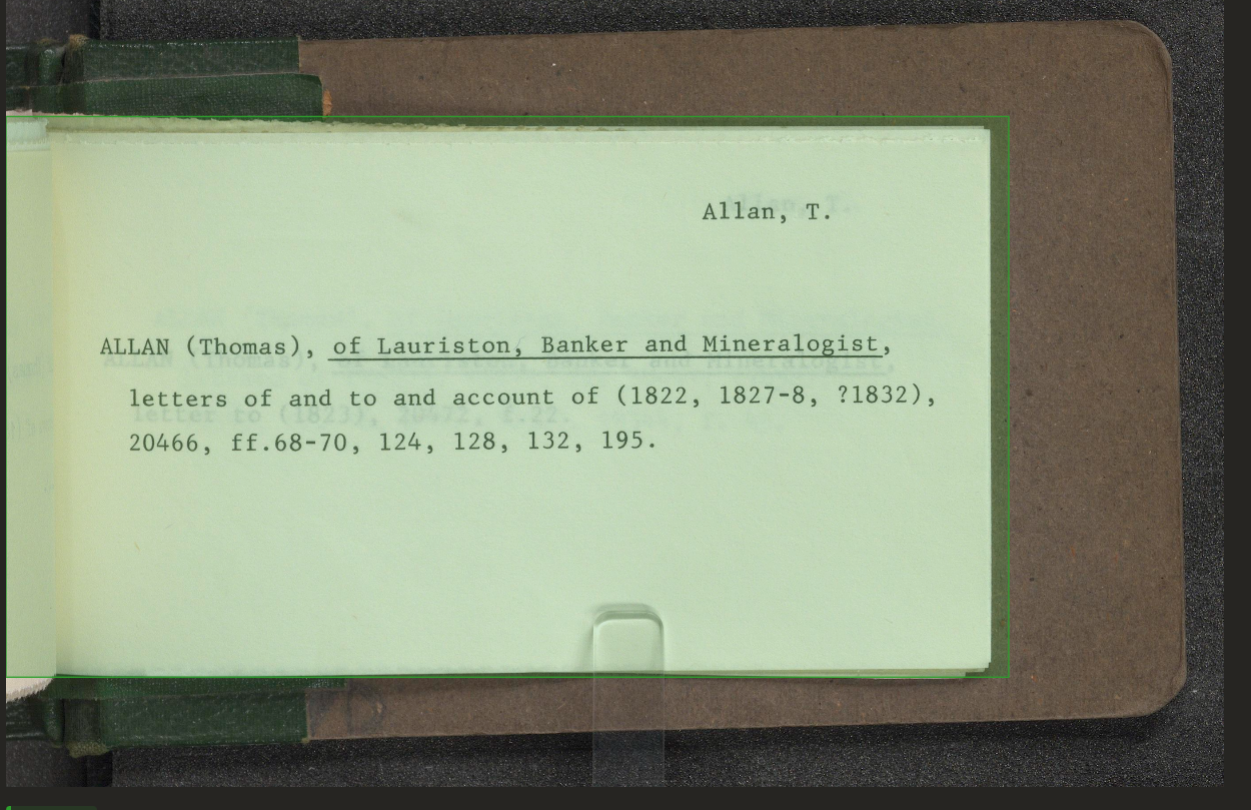
As part of the index cards project, we feed images of index cards to a vision language model in order to extract structured metadata - headings, corrections, manuscript numbers, folios, descriptions, etc.
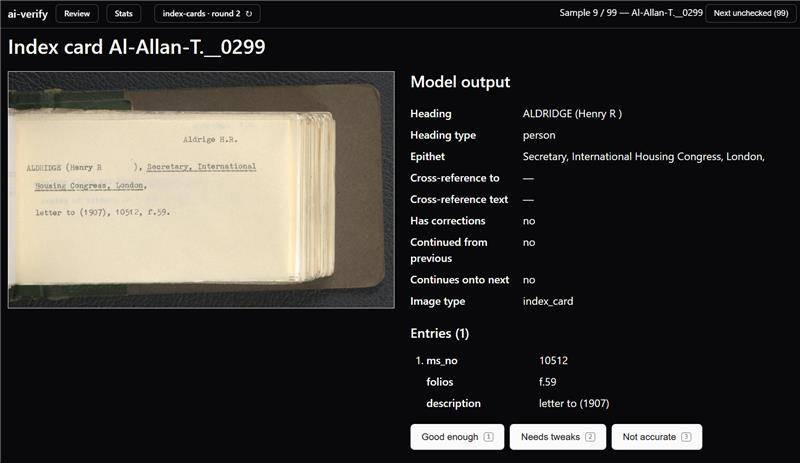
The trouble with these cards is the versos - all the blank pages and covers are scanned and sent to the model, and as it can sometimes see faint text, we get a lot of false positives.
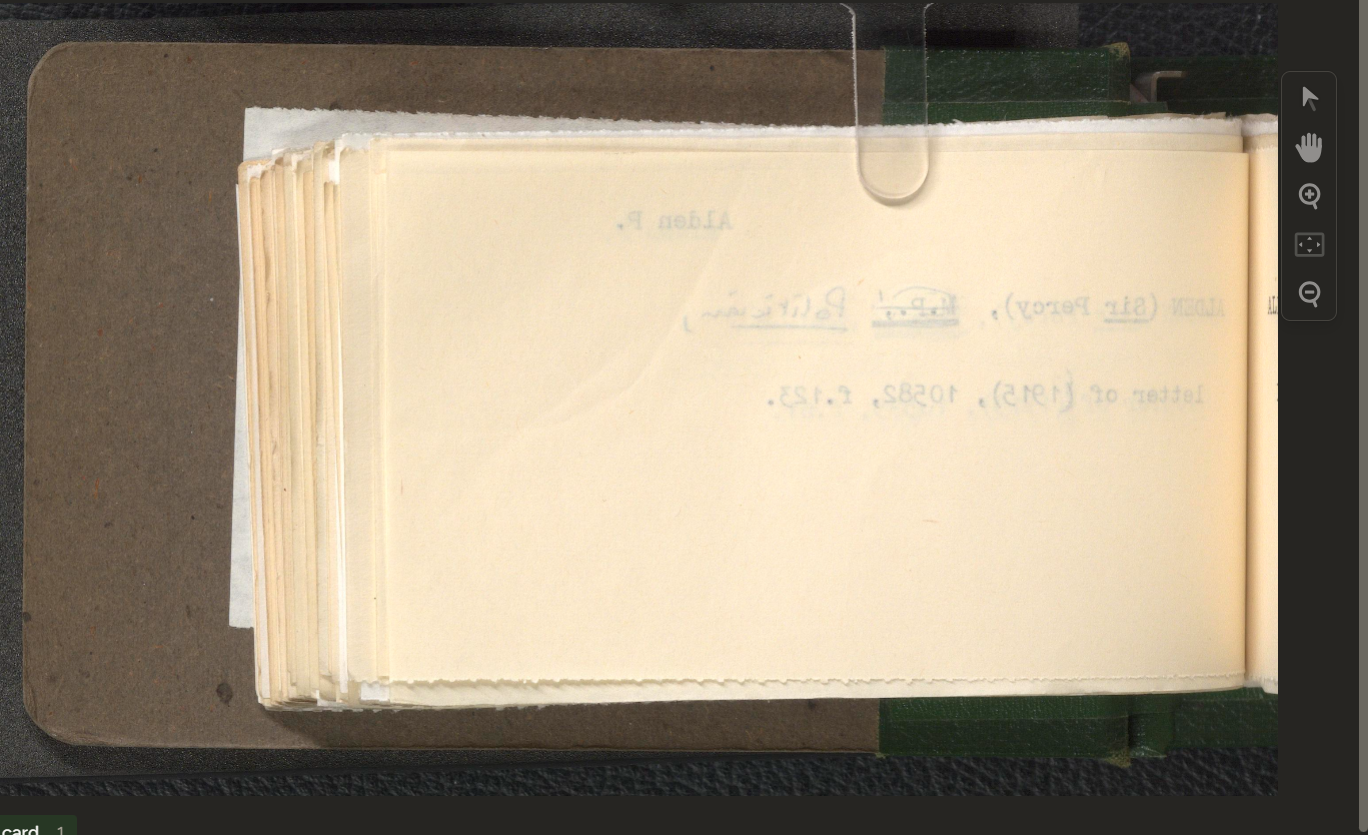
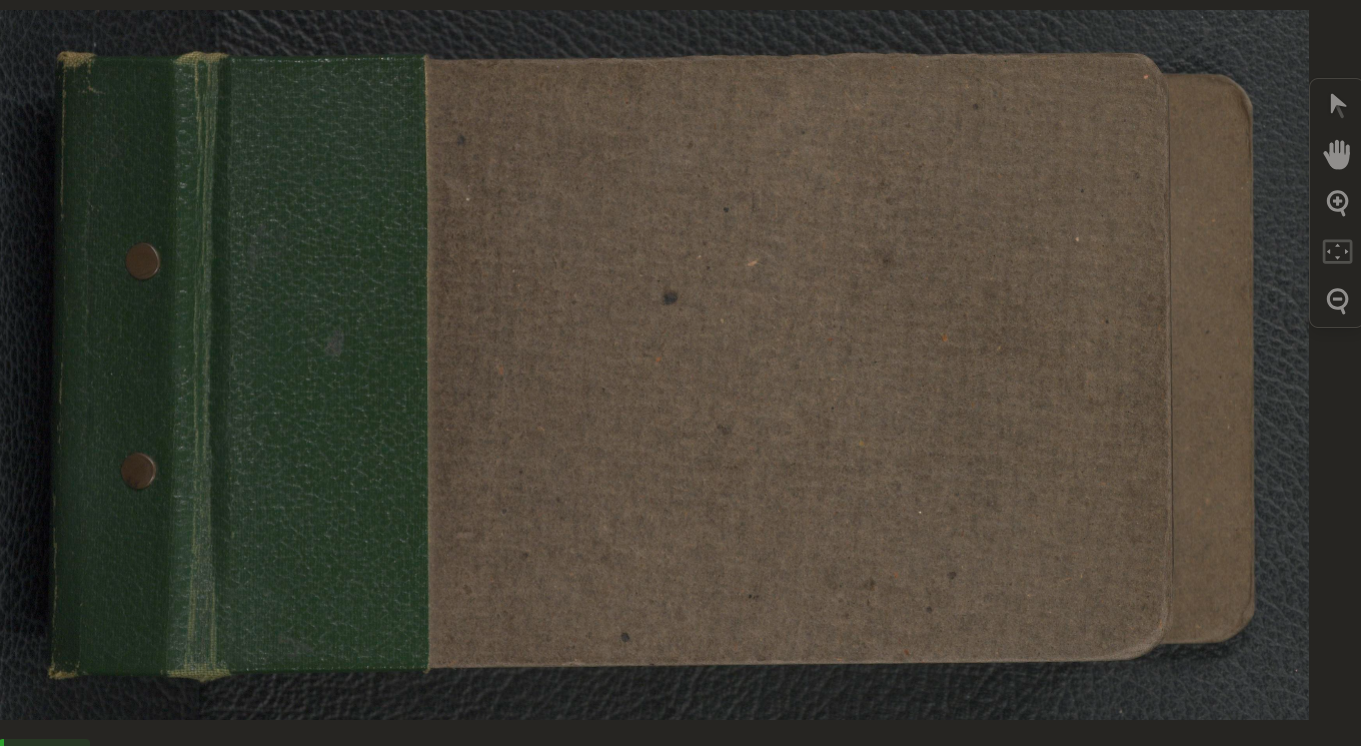
Daniel did some training on a model to try and reduce these false-positives, but I found that a lot were still getting through. so I did the training again. I'll skip over the technical details for now and go to the headlines:
- Previously, 20% were false positives in the sample run. Now 0% are false positives.
- Every part of this pipeline has permissive licensing, allowing for open sourcing and sharing on Hugging Face.
- The fine tuning was done fully in house on the Framework AI machine (some parts of the previous training used Hugging Face jobs).
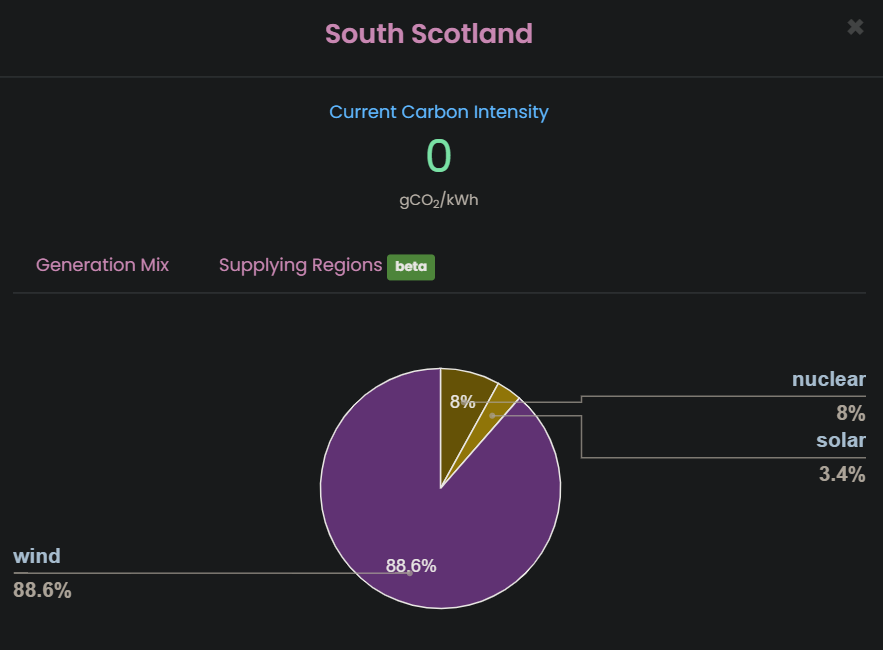
- Energy consumption was about 0.5 kWh. Because it was pretty windy yesterday, we can see from the Carbon Intensity API that South Scotland's grid was about 88% wind energy. Therefore the carbon cost of fine-tuning the model was close to zero.
Up until this point we have used the framework machine for inference - running pre-trained existing models to generate metadata outputs - but this is the first time it's been used to fine-tune a tool specific to our scans and requirements.
This isn't a flashy model, and literally just draws boxes around index cards, but I think it's kind of an exciting milestone.
Project windy (or, the --green flag)
After this accidental revelation about being able to track energy use forecasts easily with the Carbon Intensity API, I realised it would be very easy to build this into the overall workflow.
The result of this is I've added a --green flag to the workflow wrapper, which checks the forecasted energy profile based on the local machine's location, and runs it in the greenest window during the next 48 hours. This is great for stuff you don't need immediately which, in a library context, is pretty much everything.